Crewed Spaceflight
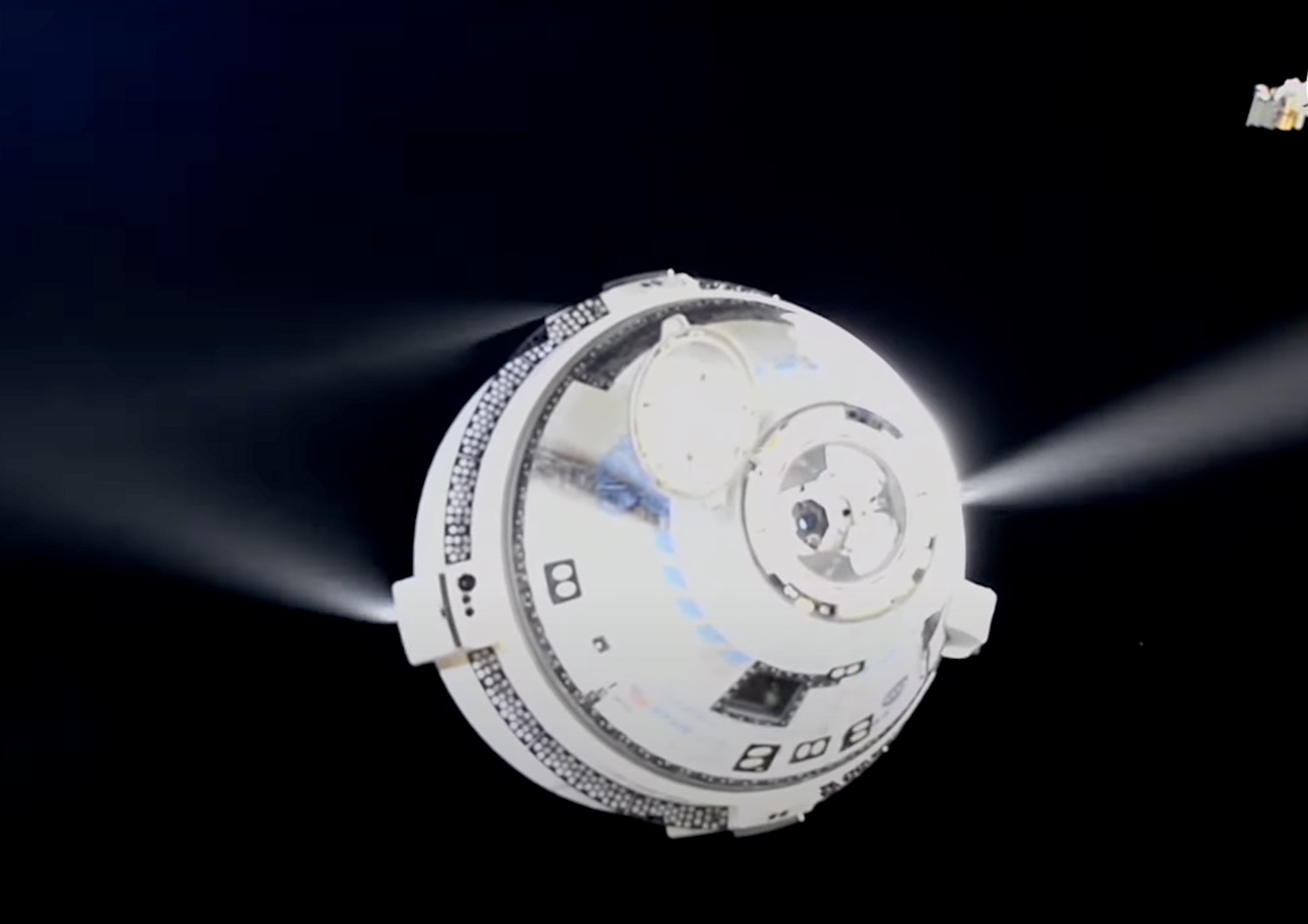
Boeing "incredibly excited" to serve as nation's only astronaut transportation
"We couldn't provide detailed pricing to the CLD suppliers."
Deep Field
Starting
S-band · 2.2 GHz
The human side of the programme — crew rotations, EVAs, station operations, medical findings, and the hardware that keeps people alive above the Kármán line.
Keeping people alive off Earth is a logistics problem disguised as an engineering one. Air has to be scrubbed of carbon dioxide continuously, water recovered to about 98% because resupply costs thousands a litre, and food, spares and propellant lifted from a gravity well at enormous expense. The human body cooperates poorly: bone density falls about 1% a month, fluid shifts flatten the back of the eyeball in ways that do not always reverse, and radiation exposure accumulates from the moment you leave the magnetosphere.
The countermeasures are unglamorous and mostly work. Two hours of resistance exercise a day against a machine that simulates weights holds most of the bone and muscle, which is why crews walk off the capsule rather than being carried. The eye problem — spaceflight-associated neuro-ocular syndrome — has no fix at all yet, and it is the one that worries flight surgeons, because it is a structural change to the back of the eyeball rather than something that rebounds. Radiation is the other unsolved one. Inside the magnetosphere a six-month increment costs roughly what a few years of ground-level background would; outside it, on the way to Mars, there is no field and no practical shielding thin enough to lift, and the dose is the mission's hardest single constraint.
The International Space Station has been continuously occupied since November 2000, and it is not primarily a laboratory — it is the entire basis of what is known about long-duration flight, accumulated one increment at a time on a few hundred people. That matters because it is due to be retired around 2030, deliberately deorbited over the Pacific, and the commercial stations meant to replace it are still drawings and funding rounds. If there is a gap, the dataset stops growing at exactly the point where it is being asked to underwrite a three-year mission. Everything about going to Mars is downstream of these numbers rather than of propulsion, and the numbers are thinner than the renderings suggest.
Computed from the orbital elements NOAA publishes, refreshed on every gather.
one lap every 93 minutes, which is sixteen sunrises in twenty-four hours
low enough that the residual atmosphere drags it down a couple of kilometres a month and it has to be pushed back up
the ground track never goes beyond 51.6° north or south — which is why it passes over most of the world and over none of the poles
the radius of the circle on the ground from which it is above the horizon at all
Crewed Spaceflight
"We couldn't provide detailed pricing to the CLD suppliers."

NASA and Boeing have laid out a revised path for Starliner that puts an uncrewed… The post NASA, Boeing outline Starliner’s return…
NASA and Boeing officials announced Monday that they have upgraded and redesigned Starliner following a dicey crewed test flight in 2024, which…

On Monday, NASA and Boeing provided an update on the company’s Starliner spacecraft, including adding additional crew missions and certifying a new…
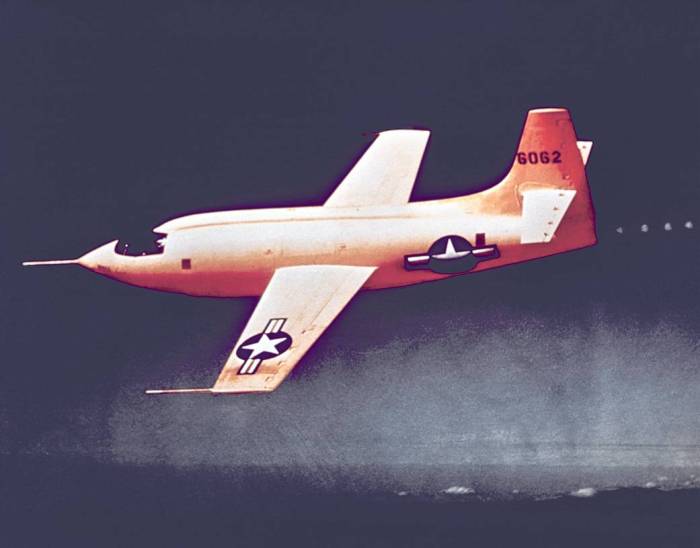
On Sept. 30, 1946, five National Advisory Committee of Aeronautics (NACA) engineers arrived at Muroc Army Airfield in California’s high desert to…
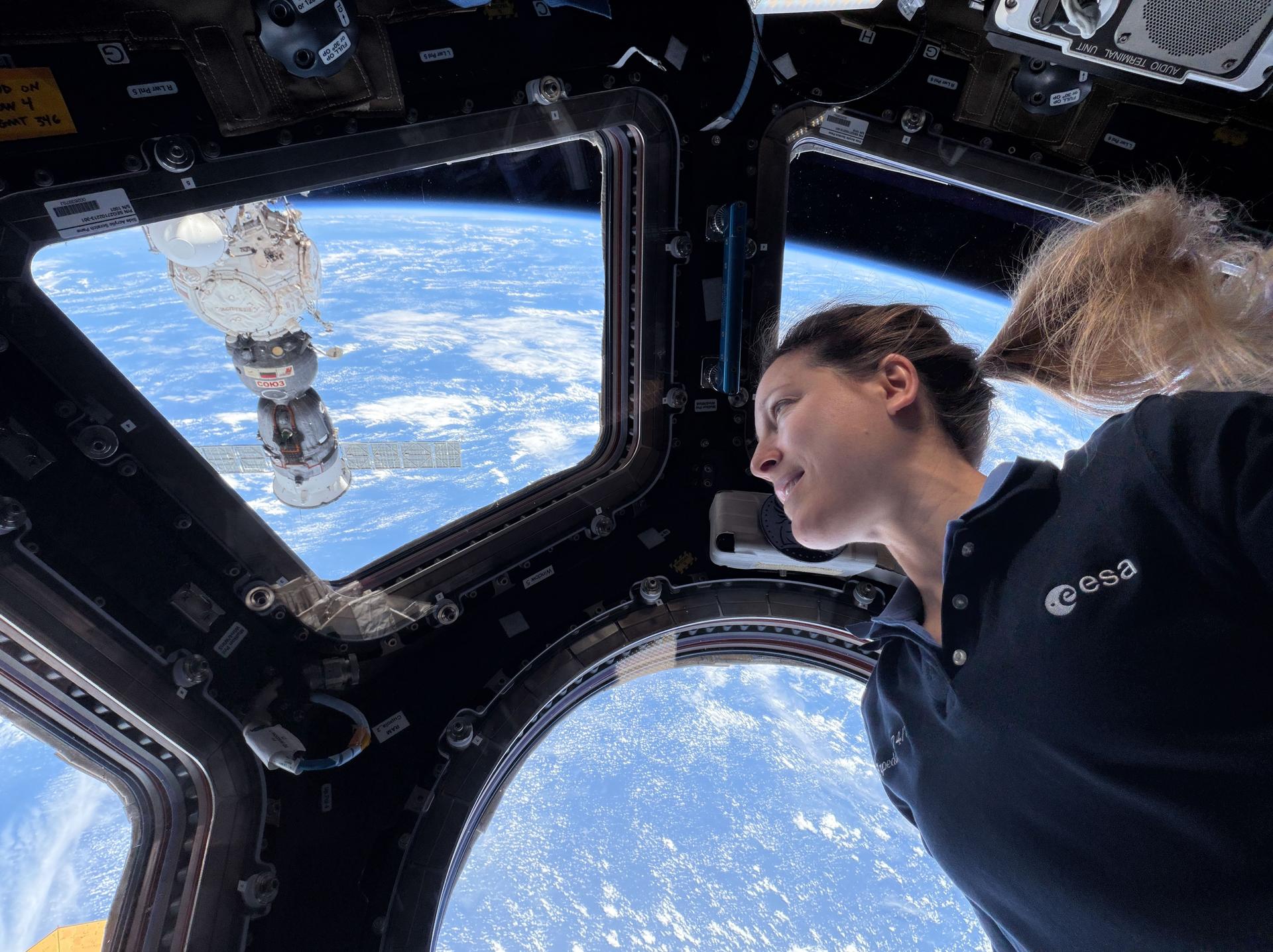
Expedition 75 began the week scanning veins, checking out space workout gear, and testing specialized suits to ease the adjustment to Earth’s…

Marking a significant expansion in the number of signatories to the Artemis Accords, NASA welcomed Albania, Croatia, Côte d’Ivoire, and San Marino…
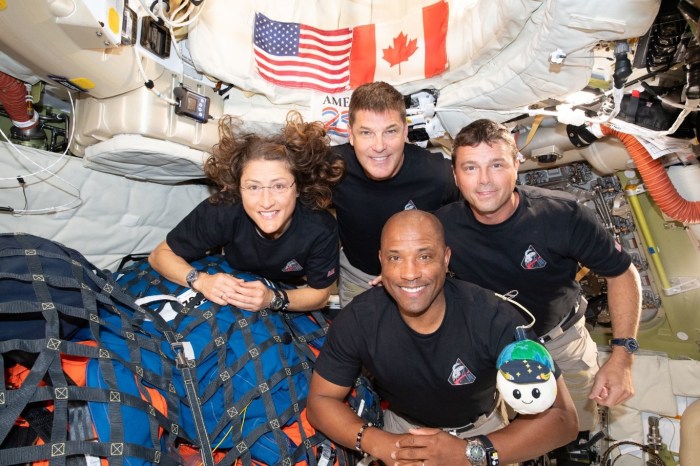
Editor’s Note: This advisory was updated on Sept. 28, 2026, with ticketing information for the public.
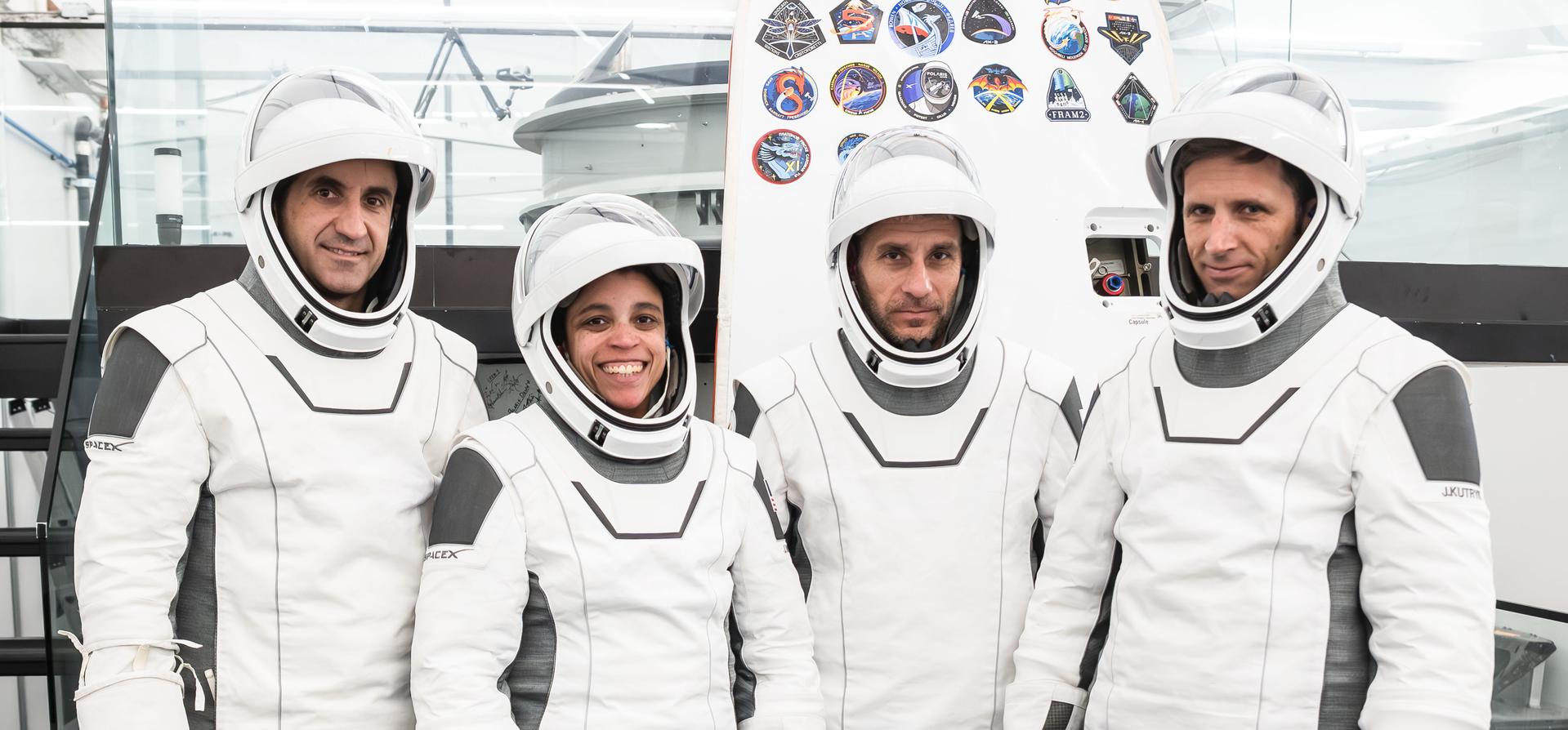
Four crew members are set to launch to the International Space Station as part of NASA’s SpaceX Crew-13 mission to perform research…
Also covered by NASA Space Station
NASA isn't saying much. The problem may be temporary.
NASA isn't saying much. The problem may be temporary.
This nighttime view of the United States, dotted with city lights looking toward New York City (center), was…
The SpaceX Falcon 9 rocket and Dragon spacecraft for NASA’s SpaceX Crew-13 mission rolled out to the launch…
Kristie Foster paved her road to becoming a NASA civil servant with literal miles of dedication.
Spaceflight may dramatically change the gut within weeks, causing bacteria to break down more protein as food moves…
As we prepare to return to the Moon, Europe’s leading geology training for astronauts PANGAEA celebrates its 10th…
The idea of humans and robots working side-by-side in space was once the stuff of science fiction, but…
The three astronauts and one cosmonaut will spend roughly six months onboard the International Space Station.
Docking with the ISS may seem simple. However, actually doing so shows how difficult orbital mechanics can be.
NASA ·
APOD · NASA — public domain ·
ESO ·
This is the actual list crewed spaceflight is matched on — nothing hidden and nothing inferred. A term on the top line settles it on its own; the second line counts, but needs company. A story that matches nothing here stays untagged rather than being pushed somewhere to fill a gap. How sorting works →
astronautcosmonauttaikonautspacewalkextravehicularcrew rotationinternational space stationtiangongspace stationlife supportcrew dragonstarlinerorion spacecraftlunar gatewayhuman spaceflightsuit test
artemisissexpedition commercial crewspace suitspacesuitaxiomvast havenorbital reefmicrogravityreduced gravitypartial gravityartificial gravitycrewedaboard the stationdocking